
Brake systems are critical for vehicle safety, and proper lubrication of guide pins ensures smooth caliper operation. Commercial vehicles benefit from air disc brake technology.
Why Lubricating Brake Guide Pins is Crucial
Maintaining brake functionality hinges on the smooth movement of caliper guide pins. Without proper lubrication, these pins can corrode, leading to sticking calipers and uneven brake pad wear. This compromises stopping power and potentially creates dangerous driving conditions. Regular lubrication prevents this corrosion, ensuring consistent pressure application across all brake pads.
Air disc brakes, increasingly common in commercial vehicles, demand meticulous pin maintenance. Automatic brake adjusters also require periodic inspection and lubrication for optimal performance. Ignoring this crucial step can lead to costly repairs and diminished safety. Brake hold and auto hold systems also rely on properly functioning pins.
The Role of Brake Guide Pins in the System
Brake guide pins are essential components, facilitating the smooth sliding motion of the brake caliper as the brake pads wear. This allows for consistent clamping force on the rotor, crucial for effective stopping power. They aren’t load-bearing but guide the caliper’s movement, preventing uneven pad contact.
Air disc brake systems rely heavily on precise pin function. Properly lubricated pins ensure the caliper can react quickly and evenly. Without this smooth action, braking performance suffers, and premature wear occurs. Brake hold and auto hold features depend on this consistent caliper movement for reliable operation.
Types of Brake Guide Pin Lubricants
Various lubricants exist, including silicone-based, synthetic grease, and high-temperature options. Selecting the correct type is vital for optimal brake performance and longevity.
Silicone-Based Brake Lubricants
Silicone-based lubricants are a popular choice for brake guide pins due to their excellent resistance to water washout and their ability to maintain lubricity across a wide temperature range. These lubricants don’t readily attract dirt or debris, preventing abrasive wear on the pins and calipers. They are particularly effective in environments exposed to moisture or road salt.
However, it’s crucial to use a silicone lubricant specifically formulated for brake systems, as some general-purpose silicone greases may not withstand the high temperatures generated during braking. Proper application ensures smooth caliper movement, reducing the risk of sticking or uneven pad wear, ultimately contributing to safer and more reliable braking performance.
Synthetic Grease for Brake Pins
Synthetic greases offer superior performance characteristics compared to conventional petroleum-based options for brake guide pin lubrication. They exhibit exceptional thermal stability, resisting breakdown at high temperatures encountered during braking, and maintain their lubricating properties over extended periods. Synthetic formulations also demonstrate improved resistance to oxidation and corrosion, protecting pins from rust and seizing.
Choosing a synthetic grease specifically designed for automotive brake systems is vital. These greases are typically compatible with brake components and won’t damage rubber seals. Regular application, alongside inspections, ensures optimal caliper function, preventing sticking and promoting even brake pad wear for enhanced safety and performance.
High-Temperature Brake Grease Options
High-temperature brake grease is crucial, as braking generates significant heat. Standard greases can liquefy and lose effectiveness under these conditions, leading to corrosion and sticking calipers. Specialized formulations, often lithium complex or silicone-based, maintain viscosity at elevated temperatures, ensuring consistent lubrication.
Selecting a grease with a high-temperature rating – typically exceeding 300°F (149°C) – is recommended. These options resist breakdown and provide long-lasting protection for guide pins. Proper lubrication prevents uneven pad wear and maintains optimal braking performance. Always verify compatibility with your vehicle’s brake system components before application.

Identifying Brake Guide Pin Issues
Brake system checks reveal issues like locking or uneven pad wear. Dashboard warnings, such as the BRAKE light, signal potential problems needing inspection.
Symptoms of Dry or Corroded Guide Pins
Recognizing the signs of neglected brake guide pins is crucial for maintaining optimal braking performance and safety. A common symptom is a noticeable squealing or grinding noise emanating from the brakes during application, indicating friction where it shouldn’t be. Uneven brake pad wear is another telltale sign, as dry or corroded pins can cause the caliper to bind and apply inconsistent pressure.
Furthermore, a pulling sensation to one side while braking suggests a sticking caliper, often linked to pin issues. Visual inspection may reveal rust or corrosion on the pins themselves, or a lack of smooth movement within the caliper bracket. Ignoring these symptoms can lead to reduced braking efficiency and potentially dangerous situations.
Common Problems Caused by Poor Lubrication
Insufficient lubrication of brake guide pins precipitates a cascade of issues impacting braking performance and safety. The most prevalent problem is caliper sticking, resulting in uneven pad wear and reduced stopping power. This binding can generate excessive heat, potentially leading to brake fade and, in severe cases, complete brake failure.
Corrosion builds up on unlubricated pins, exacerbating the sticking issue and making caliper removal incredibly difficult during maintenance. Ultimately, neglecting this simple lubrication task shortens the lifespan of brake components, necessitating premature replacements and increasing repair costs. Consistent lubrication is paramount for reliable braking.
Visual Inspection Techniques for Guide Pins
Thorough visual inspection is crucial for assessing guide pin condition. Begin by examining the pins for signs of rust or corrosion – any discoloration indicates potential problems. Next, check for dried or cracked grease, a clear sign of lubricant breakdown and insufficient protection.
Attempt to move the caliper manually; any resistance or binding suggests sticking pins. Look closely for scoring or damage on the pin surface. A flashing “BRAKE” light on the dashboard can signal a system issue requiring inspection. Regular checks, combined with proper lubrication, ensure optimal brake function and safety.
The Lubrication Process: Step-by-Step
Careful application of brake lubricant is key. Cleaning and inspecting pins before applying grease ensures optimal performance and prevents caliper sticking.
Tools Required for Brake Guide Pin Lubrication
Successfully lubricating brake guide pins demands specific tools for efficiency and safety. A brake caliper wrench is essential for removing the caliper, while a socket set aids in disassembling components. Rubber mallets gently persuade stubborn parts loose, preventing damage. Brake cleaner effectively removes old grease and corrosion, preparing surfaces for fresh lubricant.
Lint-free rags are crucial for wiping away residue, ensuring a clean application. A grease gun, or a small brush, facilitates precise lubricant delivery. Torque wrench ensures proper reassembly, preventing over-tightening. Finally, safety glasses and gloves protect your eyes and hands throughout the process, safeguarding against contaminants and potential injuries.
Removing the Brake Caliper
Removing the brake caliper is the initial step, requiring careful attention. Begin by loosening the lug nuts on the wheel, then safely lift and secure the vehicle. Disconnect the brake wear sensor if equipped. Next, locate and remove the caliper bolts – typically two bolts securing the caliper to the bracket.
Gently slide the caliper off the rotor, avoiding damage to the brake lines. Support the caliper with a wire or bungee cord to prevent strain on the hose. Do not let the caliper hang by the brake line! Inspect the rotor and brake pads for wear during this process, noting their condition for potential replacement.
Cleaning and Inspecting the Guide Pins
After caliper removal, thoroughly clean the guide pins with brake cleaner. Use a wire brush or abrasive pad to remove rust, corrosion, and old lubricant. Inspect the pins for any signs of damage, such as bending, pitting, or excessive wear.
Check the rubber boots surrounding the pins for cracks or tears; replace them if necessary to prevent contamination. Ensure the pins slide smoothly within the caliper bracket. Any resistance indicates a problem requiring further attention, potentially necessitating pin replacement. A visual inspection is crucial for identifying potential issues.
Applying the Lubricant Correctly
Apply a thin, even coat of brake guide pin lubricant to the entire surface of each pin. Avoid using excessive amounts, as this can attract dirt and debris. Ensure the lubricant reaches the areas where the pin contacts the caliper bracket and rubber boots.
Work the lubricant into the pin’s surface by sliding it in and out of the bracket several times. This ensures complete coverage and smooth operation. Do not use general-purpose grease, as it may not withstand the high temperatures and pressures within the brake system. Proper application is key to preventing sticking.

Reassembling the Brake Caliper
Carefully reinstall the lubricated guide pins into the caliper bracket, ensuring they slide smoothly. Reattach the brake caliper over the rotor, aligning it properly with the pins. Secure the caliper with the appropriate bolts, tightening them to the manufacturer’s specified torque.
Double-check that the caliper moves freely on the pins without binding. Pump the brake pedal several times to restore brake pressure and confirm proper operation. A correctly lubricated system ensures optimal braking performance and prevents uneven pad wear, contributing to overall vehicle safety.

Choosing the Right Grease for Your Vehicle
Vehicle manufacturers often have specific recommendations for brake lubricants. Consider climate and driving conditions, ensuring compatibility with brake components for optimal performance.
Vehicle Manufacturer Recommendations
Prioritizing the vehicle manufacturer’s guidelines is paramount when selecting brake guide pin lubricant. These recommendations, often found in the owner’s manual or service documentation, are specifically tailored to the brake system’s design and materials. Using a non-recommended lubricant could potentially lead to compatibility issues, reduced braking performance, or even component damage.
Manufacturers rigorously test various lubricants to ensure they meet stringent safety and performance standards. Adhering to these specifications safeguards the integrity of the braking system and maintains the vehicle’s warranty coverage. Ignoring these guidelines can void warranty claims related to brake system failures caused by improper lubrication.
Considering Climate and Driving Conditions
Environmental factors significantly impact brake guide pin lubricant performance. In cold climates, a lubricant with excellent low-temperature fluidity is crucial to prevent stiffness and ensure smooth operation. Conversely, hot climates demand a high-temperature stable grease that resists breakdown and maintains its lubricating properties.
Driving conditions also play a vital role. Frequent heavy braking, such as in city driving or towing, generates substantial heat, necessitating a robust, heat-resistant lubricant. Exposure to road salt and moisture requires a lubricant with corrosion inhibitors to protect the guide pins from rust and degradation, extending their lifespan.
Compatibility with Brake Components
Selecting a grease that’s fully compatible with all brake system components is paramount. Certain lubricants can react negatively with rubber seals, causing them to swell, crack, or degrade, leading to caliper malfunctions and fluid leaks. Always verify the lubricant’s specifications to ensure it’s suitable for use with the brake hoses, seals, and caliper materials.
Avoid greases containing molybdenum disulfide if your vehicle uses air disc brakes, as it can contaminate the friction surfaces. Prioritize lubricants specifically formulated for brake systems, clearly stating their compatibility with various materials, guaranteeing optimal performance and preventing costly damage.
Potential Problems and Troubleshooting
Sticking calipers or brake hold issues can arise from incorrect lubrication. Corroded pins necessitate replacement, while over-lubrication attracts contaminants.
Sticking Brake Calipers After Lubrication
Following guide pin lubrication, a sticking brake caliper indicates a potential issue despite efforts. This often stems from incompatible grease causing swelling of rubber components within the caliper assembly, hindering smooth movement. Alternatively, excessive lubricant can attract road debris, forming a paste-like substance that restricts pin travel.
Thorough inspection is crucial; verify the correct grease type was used and that no boot damage exists. If the caliper remains stuck, disassembly, cleaning, and re-lubrication with the appropriate brake-specific grease are necessary. Ignoring this can lead to uneven brake pad wear, reduced braking performance, and potential safety hazards. Always prioritize quality lubricants and meticulous application.
Over-Lubrication Issues
Applying too much grease to brake guide pins seems harmless, but it creates significant problems. Excess lubricant acts like a magnet for dust, dirt, and road grime, quickly forming a sticky, abrasive paste. This paste restricts pin movement, negating the benefits of lubrication and potentially causing the caliper to bind.
Furthermore, over-lubrication can compromise braking efficiency and lead to uneven pad wear. Cleanliness is paramount; a thin, even coat of brake-specific grease is sufficient. Wipe away any excess immediately. Remember, less is often more when it comes to brake component lubrication, ensuring optimal performance and safety.
Dealing with Corroded or Damaged Pins
Severe corrosion or damage to brake guide pins necessitates replacement, not just lubrication. Attempting to restore heavily corroded pins is often ineffective and compromises safety. Before re-lubrication, thoroughly inspect pins for pitting, scoring, or bending. If damage exists, replace them with new, high-quality components.
Cleaning corroded pins before inspection is crucial; use a wire brush and brake cleaner. If pins are salvageable with minor surface corrosion, clean, lubricate, and monitor closely. Ignoring damaged pins leads to caliper malfunction, uneven brake wear, and potentially dangerous braking performance. Prioritize safety and replace when necessary.
Long-Term Maintenance and Prevention
Regular inspections, utilizing quality lubricants, are vital for preventing corrosion and ensuring optimal brake function. Periodic lubrication maintains smooth operation and extends component life.
Regular Inspection Intervals
Consistent monitoring of brake guide pins is paramount for sustained safety and performance. Ideally, inspections should occur during every brake pad replacement, or at least annually, even with minimal usage. A visual check for dust buildup, corrosion, or signs of dried-out lubricant is crucial.
More frequent inspections – perhaps every 6 months – are recommended for vehicles operating in harsh conditions, such as those exposed to road salt, extreme temperatures, or heavy use. Don’t overlook the importance of checking for proper caliper movement; any binding suggests a lubrication issue. Proactive inspection prevents costly repairs and maintains optimal braking efficiency.
Preventative Measures to Avoid Corrosion
Protecting brake guide pins from corrosion begins with selecting a high-quality, corrosion-inhibiting lubricant specifically designed for brake systems. Regularly cleaning the pins during lubrication removes contaminants that accelerate corrosion. Consider applying a protective coating, like a zinc-based compound, to the pins before greasing, offering an extra layer of defense.
Furthermore, thoroughly drying the pins after washing the vehicle, especially during winter months when road salt is prevalent, is vital. Inspect rubber boots for damage, replacing them promptly to prevent water and debris ingress. Consistent maintenance and quality lubricants significantly extend the lifespan of brake components.
The Importance of Quality Lubricants
Utilizing premium brake guide pin lubricants is paramount for optimal brake performance and longevity. Inferior greases can attract dirt, harden over time, or lack the necessary corrosion protection, leading to sticking calipers and reduced braking efficiency. High-quality synthetic or silicone-based lubricants maintain viscosity across a wider temperature range, ensuring consistent performance.
Selecting a lubricant formulated specifically for brake systems guarantees compatibility with rubber components and prevents damage. Investing in quality grease minimizes the risk of costly repairs and enhances overall vehicle safety. Remember, the brake system is critical, and quality lubrication is non-negotiable.

Air Disc Brake Systems and Lubrication
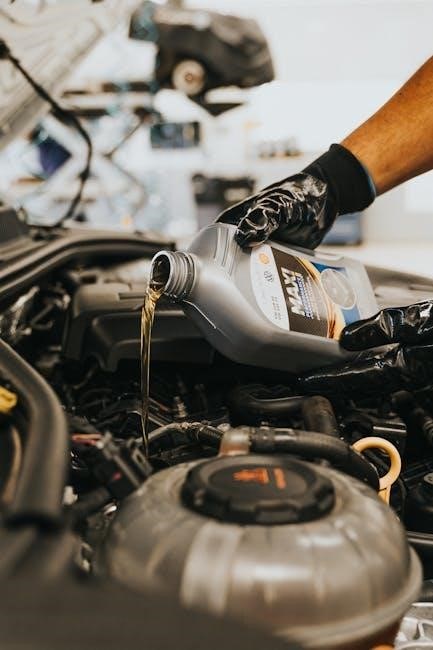
Air disc brakes demand specific lubrication needs for peak performance; quality grease maintains optimal function and reliability within the commercial vehicle industry.
Specific Lubrication Needs of Air Disc Brakes
Air disc brake systems, increasingly adopted in the commercial vehicle sector, present unique lubrication challenges compared to traditional drum brakes. These systems require specialized greases formulated to withstand higher temperatures and pressures generated during frequent, heavy-duty braking.
Guide pins within air disc brakes experience significant stress and are prone to corrosion. Therefore, a high-quality, synthetic grease with excellent water resistance is crucial. This prevents sticking, ensures smooth caliper movement, and maintains consistent braking force. Regular inspection and re-lubrication, following manufacturer recommendations, are vital for optimal performance and longevity of the air disc brake system, contributing to overall vehicle safety and reduced maintenance costs.
Impact of Lubrication on Air Disc Brake Performance
Proper lubrication of air disc brake components, particularly guide pins, directly impacts braking efficiency and safety. Insufficient lubrication leads to increased friction, causing sticking calipers and uneven pad wear. This results in reduced stopping power and potential brake fade during demanding conditions.
Conversely, correct lubrication ensures smooth caliper movement, allowing for consistent contact between the brake pads and rotors. This maximizes braking force and minimizes heat buildup. Utilizing a high-performance, synthetic grease designed for these systems enhances responsiveness and extends component life, ultimately improving overall vehicle control and reducing maintenance intervals, contributing to safer operation.

Brake Hold and Auto Hold Systems
Brake hold and auto hold rely on consistent caliper function; lubricated guide pins are essential for reliable engagement and release of these systems;
How Lubrication Affects Brake Hold Functionality
Brake hold systems depend on the consistent application of braking force, achieved through freely moving calipers. Properly lubricated guide pins are paramount, ensuring the caliper can clamp and release smoothly when the system engages or disengages. Without adequate lubrication, pins can corrode or seize, hindering caliper movement and potentially causing the brake hold to malfunction.
This can manifest as difficulty activating or deactivating the system, or even a complete failure. The auto hold feature, similarly, requires precise caliper control. Sticking pins can lead to uneven pad wear and reduced braking efficiency, compromising the system’s ability to maintain a secure hold. Regular lubrication, using the correct grease, is therefore vital for optimal brake hold performance and driver safety.
Troubleshooting Brake Hold Issues Related to Pins
If your brake hold system malfunctions, corroded or dry guide pins are prime suspects. Begin by inspecting for visible rust or lack of movement. A sticking caliper, due to poor lubrication, can prevent the system from applying consistent pressure. Ensure the parking brake isn’t engaged, as this can mimic a brake hold failure.
If the issue persists, thoroughly clean and re-lubricate the pins with brake-specific grease. After lubrication, test the system multiple times. If problems continue, consider damaged pins requiring replacement. Ignoring these issues can lead to uneven brake pad wear and compromised stopping power, impacting both brake hold and overall vehicle safety.