
BMW Manual Fuel Door Release Location: A Comprehensive Guide
Navigating BMW fuel door access requires understanding varied release methods, including driver-side buttons, exterior push-to-open features, and emergency trunk releases for comprehensive solutions.
Understanding the Basics of BMW Fuel Doors
BMW fuel doors have evolved significantly across models, transitioning from entirely mechanical systems to electronically assisted and, in some cases, fully automated designs. Older BMWs typically featured a simple manual release, often a cable located within the trunk, providing direct mechanical access. Newer models, like the i8 Hybrid, often incorporate a push-to-open mechanism activated by pressing inwards on the fuel door itself, or via a button located on the driver’s side door.
Crucially, many BMW fuel doors are integrated with the central locking system; if the car doors are locked, the fuel door will also be locked, preventing accidental opening. Understanding this integration is vital for troubleshooting. The fuel door’s operation is often signaled by a “Preparing to Refuel” message on the dashboard display, indicating the system is active. Recognizing these basic principles is the first step towards resolving any fuel door access issues.
Common Issues with BMW Fuel Door Operation
Several issues can prevent a BMW fuel door from opening. A primary problem is the central locking system; if the doors are locked, the fuel door remains sealed, often overlooked by drivers. Electrical malfunctions, including faulty solenoids or wiring, can disable the release mechanism in newer models. Obstructions, though rare, can physically block the door from opening.
Furthermore, the automated systems can sometimes fail to fully cycle, leaving the door seemingly stuck. Owners have reported instances where the “Preparing to Refuel” message appears, but the door doesn’t release. In more severe cases, the emergency release cable may be disconnected or broken. Running extremely low on fuel can also exacerbate issues, potentially damaging the fuel pump or related components. Diagnosing these problems requires a systematic approach, starting with simple checks before moving to more complex troubleshooting.
Fuel Door Release Methods: Overview
BMW employs diverse fuel door release methods depending on the model year and specific vehicle. Many newer models feature a push-to-open mechanism on the exterior fuel door itself; a gentle inward press releases the latch. Simultaneously, a driver-side door button, commonly found on the door panel, activates the release. Crucially, the vehicle’s central locking system interacts with the fuel door – unlocking the doors often enables the release.
However, when these primary methods fail, a manual emergency release becomes essential. This is typically located inside the trunk, near the fuse panel, utilizing a cable to mechanically open the door. Older BMWs may have simpler, direct manual releases. Understanding which method applies to your specific BMW is vital for efficient refueling and troubleshooting potential issues. Proper operation relies on a functioning electrical system and unobstructed mechanical linkages.

Locating the Primary Release Mechanisms
Initial exploration focuses on the driver’s side door button and the exterior fuel door, employing a push-to-open technique, alongside vehicle door lock synchronization.
Driver’s Side Door Button (Specific Models)
For certain BMW models, particularly the i8 Hybrid, a dedicated fuel door release button is conveniently located on the driver’s side door. This button, when pressed, initiates the fuel door opening sequence; However, it’s not an instantaneous process; the dashboard will display a “Preparing to Refuel” message, often accompanied by a percentage indicator, signaling the system is activating.
It’s crucial to exercise patience, as the process can take approximately 30 seconds to complete autonomously. Avoid attempting to manually intervene during this period, allowing the system to fully execute the opening procedure. If, after this timeframe, the fuel door remains closed, further troubleshooting steps may be necessary, potentially involving the emergency release located within the trunk. This button offers a streamlined opening experience when functioning correctly, eliminating the need for direct interaction with the fuel door itself.
Exterior Fuel Door Release – Push-to-Open Method
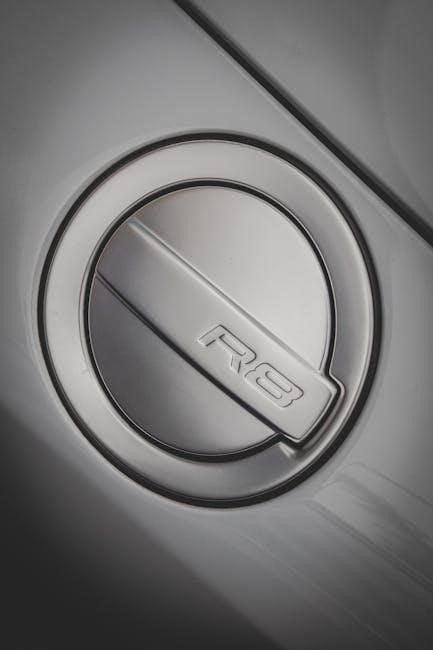
Many BMW models, including the 5 Series, employ a push-to-open mechanism for the fuel door. This system cleverly integrates with the vehicle’s central locking system. Before attempting to open the fuel door, ensure the car doors are unlocked. Then, gently but firmly press inwards on the right side of the fuel door itself. This action disengages the locking mechanism, allowing the left side of the fuel door to lift open smoothly.
It’s important to note that applying pressure to the wrong side or attempting to force the door open while the car is locked will be ineffective. This method provides a convenient, keyless way to access the fuel tank. Regular inspection ensures the mechanism remains free from debris and operates without resistance, preventing potential issues during refueling. This simple push action is a hallmark of BMW’s user-friendly design.
The Role of Vehicle Door Locks
The BMW fuel door’s operation is intrinsically linked to the vehicle’s central door locking system. This integrated design means the fuel door is typically locked whenever the car doors are locked, enhancing security and preventing accidental opening during transit. Consequently, a common troubleshooting step when the fuel door won’t open is to simply unlock all the car doors. This action often resolves the issue immediately, allowing the push-to-open or manual release mechanisms to function correctly.
Understanding this connection is crucial for diagnosing fuel door problems. If the doors unlock but the fuel door remains stubbornly closed, it suggests an issue with the fuel door’s specific release mechanism rather than the central locking system itself. Always verify the door locks before attempting other, more complex solutions, as it’s the simplest and most frequent cause of fuel door access difficulties.
Emergency Release Procedures
When standard methods fail, locate the emergency release inside the trunk, typically above the fuse panel, utilizing a green-colored cable for manual operation.
Emergency Release Location: Inside the Trunk
Accessing the emergency fuel door release requires venturing into the vehicle’s trunk area. This crucial mechanism is strategically positioned to provide a manual override when electronic or standard release methods falter. Specifically, the release is typically found right above the fuse panel, necessitating a careful inspection of the trunk’s interior lining.
BMW owners should look under the right-side trim panels within the trunk. The emergency release cable is often visually distinct, frequently colored green, making it easier to identify amongst the wiring and components. It’s important to note that this location can vary slightly depending on the specific BMW model and year. Familiarizing yourself with its precise location before an emergency situation arises is highly recommended. This proactive approach ensures a swift and stress-free solution when you find yourself needing to manually open the fuel door.
Identifying the Emergency Release Cable
Locating the emergency release cable is paramount when the primary fuel door mechanisms fail. Typically, this cable isn’t prominently displayed; it’s concealed beneath the trunk’s interior trim panels on the right side. A key identifier is its color – frequently, BMW utilizes a bright green cable for easy recognition within the often-complex trunk wiring.
The cable itself is usually a thin, flexible wire with a handle or loop at the end, designed for a firm grip. Upon locating it, carefully pull the cable towards the rear of the vehicle. This action mechanically overrides the electronic locking system, allowing the fuel door to be opened. Remember to exercise gentle but firm pressure; avoid excessive force that could damage the cable or surrounding components. Confirm successful engagement by attempting to open the fuel door from the exterior.
Accessing the Fuse Panel Area
Locating the fuse panel is crucial as it’s often situated near the emergency release cable within the trunk. Begin by lifting the trunk floor covering, revealing the spare tire well and surrounding components. The fuse panel itself is typically a rectangular plastic box, clearly labeled with a diagram indicating the function of each fuse.
Accessing the panel usually involves releasing clips or unscrewing a cover. Once open, consult your BMW’s owner’s manual to identify the specific fuse related to the fuel door release mechanism. Inspect the fuse for any signs of damage, such as a broken filament. Replacing a blown fuse might resolve the issue, but always use a fuse with the correct amperage rating to prevent further electrical problems. Remember to power off the vehicle before working with the electrical system.

Model-Specific Release Locations
BMW models exhibit unique fuel door release placements; the i8 utilizes a driver’s side button, while the 5 Series employs an exterior push-to-open system for convenience.
BMW 5 Series Fuel Door Release
For BMW 5 Series owners, accessing the fuel tank is often surprisingly straightforward, yet can initially cause confusion. Unlike some models with dedicated buttons, the 5 Series frequently utilizes a system integrated with the vehicle’s central locking mechanism. It’s crucial to remember that the fuel door is locked in conjunction with the car doors.
Therefore, before attempting to open the fuel door, ensure all doors are unlocked. Once unlocked, gently but firmly press inwards on the right side of the fuel door itself. This action should cause the left side to release and lift open, granting access to the fuel filler.

This push-to-open method is a common feature, eliminating the need for a separate release button. However, if the door remains stubbornly closed, double-check that the doors are fully unlocked and repeat the inward press. Remember, a firm, deliberate push is generally more effective than a light touch.
BMW i8 Hybrid Fuel Door Release
The BMW i8 Hybrid employs a slightly more sophisticated fuel door release system compared to traditional models. Owners should locate the fuel door release button conveniently positioned on the driver’s side door. Pressing this button initiates the opening sequence, and the dashboard will display a “Preparing to Refuel” message, often accompanied by a percentage indicator.
It’s important to exercise patience, as the process isn’t instantaneous. Allow approximately 30 seconds for the system to complete the opening cycle autonomously. If the fuel door doesn’t open within this timeframe, repeating the button press may be necessary.
This delayed operation is a characteristic of the i8’s design, ensuring a smooth and controlled release. Avoid forcing the door open, as this could potentially damage the mechanism. The i8 prioritizes a refined user experience, and a gentle approach is always recommended.
Older BMW Models: Manual Release Variations
For older BMW models, the fuel door release mechanisms often differ significantly from newer iterations, frequently relying on more direct, manual approaches. Unlike contemporary push-to-open or electronic release systems, these earlier models often integrate the release with the central locking system; ensuring the doors are unlocked is the first step.
However, when the primary release fails, a manual override is typically located within the trunk. This emergency release, often a green-colored cable situated above the fuse panel, requires accessing the trunk’s interior trim panels on the right side. Pulling this cable directly activates the fuel door release.
Variations exist between specific model years, so consulting the vehicle’s owner’s manual is crucial. Understanding these manual overrides provides a vital backup solution when electronic systems malfunction, preventing frustrating situations at the fuel pump.

Troubleshooting Fuel Door Problems
Addressing fuel door issues involves initial checks for obstructions, diagnosing potential electrical faults, and confirming vehicle door lock status for proper operation.
Fuel Door Won’t Open: Initial Checks
Begin by verifying the vehicle’s door locks are unlocked, as the fuel door is often linked to the central locking system; a locked car typically means a locked fuel door. Gently, but firmly, press inwards on the right side of the fuel door itself – on many BMW 5 Series models, this initiates the release mechanism, causing the left side to lift.
Listen for any clicking sounds, which could indicate the release is attempting to function but is obstructed. Carefully inspect the fuel door area for any visible obstructions, such as ice, debris, or damage preventing it from opening smoothly. If the dashboard displays a “Preparing to Refuel” message, allow approximately 30 seconds for the system to complete its process before attempting manual intervention.
Remember, running extremely low on fuel can sometimes complicate the opening process, so avoid letting the tank get critically empty. These simple checks often resolve the issue without needing more complex troubleshooting steps.
Checking for Obstructions
A thorough visual inspection around the fuel door is crucial. Look closely for any physical obstructions like ice buildup, especially during colder months, which can jam the release mechanism. Debris, such as dirt, leaves, or even small stones, can also prevent the door from popping open correctly. Examine the hinges for any signs of corrosion or damage that might be hindering movement.
Carefully feel around the edges of the fuel door for anything lodged within the opening. Gently attempt to manipulate the door, feeling for resistance that indicates an obstruction. Check the surrounding body panel for any recent impacts or misalignments that could be affecting the door’s operation.
Ensure nothing is leaning against the fuel door externally. Removing any obstructions is the first step towards restoring normal functionality, potentially avoiding the need for more involved solutions.
Diagnosing Electrical Issues
Electrical malfunctions can prevent the fuel door from opening, requiring a systematic diagnostic approach. Begin by checking the relevant fuse in the vehicle’s fuse panel, often located in the glove compartment or trunk, referencing your owner’s manual for the correct fuse designation. A blown fuse indicates a short circuit or overload in the system.
Inspect the wiring harness connecting to the fuel door actuator for any signs of damage, corrosion, or loose connections. Use a multimeter to test the voltage reaching the actuator when the release button is pressed, confirming power delivery.
If voltage is present but the actuator isn’t responding, the actuator itself may be faulty and require replacement. Consider utilizing a BMW-specific diagnostic tool to scan for any stored error codes related to the fuel door system, providing valuable clues.

Detailed Steps for Manual Release
Locate the emergency release cable within the trunk, typically near the fuse panel, and carefully pull it to manually open the stubborn fuel door.
Step-by-Step Guide to Using the Emergency Cable
Begin by accessing your BMW’s trunk, ensuring adequate lighting for visibility. Locate the trim panel on the right side; removal may be necessary to reveal the emergency release mechanism. You’re searching for a cable, often green in color, positioned above the fuse panel area. Gently pull the cable – avoid forceful jerks – as this initiates the manual release of the fuel door latch.
Observe the fuel door; it should now be accessible. If resistance is felt, double-check the cable is fully engaged and attempt a gentler pull. Remember, this is a bypass system, so the usual electronic release won’t function immediately after use; After successfully opening the fuel door, proceed with refueling as needed. This method is designed for emergencies when the primary release fails, offering a reliable alternative to prevent being stranded.
Safety Precautions During Manual Release
Prioritize safety when utilizing the emergency fuel door release. Ensure the vehicle is parked on a level surface and the engine is completely switched off to minimize any potential hazards. Avoid performing this procedure near open flames or sources of ignition, as fuel vapors can be flammable. Exercise caution when accessing the trunk area, being mindful of any stored items that could shift or cause injury.
Refrain from using excessive force when pulling the emergency cable; a smooth, steady pull is sufficient. After manually releasing the fuel door, inspect the surrounding area for any damaged components or loose connections. If you notice anything unusual, consult a qualified BMW technician before operating the vehicle further. Remember, the emergency release is a temporary solution, and addressing the underlying issue with the primary release system is crucial for long-term reliability and safety.
Resetting the System After Manual Release
Following a manual fuel door release, resetting the system isn’t always explicitly required, but verifying proper function is vital. Begin by fully closing the fuel door, ensuring it latches securely. Then, cycle the vehicle’s door locks – lock and unlock all doors using the central locking system. This action can sometimes re-establish communication between the door lock actuators and the fuel door release mechanism.
Next, attempt to open the fuel door using the standard methods – the driver’s side button or the exterior push-to-open feature. If it doesn’t respond, disconnect the vehicle’s battery for approximately 10 minutes to reset the electronic control unit. Reconnect the battery and test the fuel door operation again; If issues persist, a diagnostic scan with a BMW-compatible tool may be necessary to identify and clear any stored error codes related to the fuel door system.

Preventative Maintenance & Care
Regularly lubricating hinges and inspecting release mechanisms prevents damage, ensuring smooth operation and avoiding future fuel door access complications for your BMW vehicle.
Keeping the Fuel Door Hinges Lubricated
Maintaining proper lubrication of the BMW fuel door hinges is a crucial preventative measure often overlooked, yet it significantly contributes to the long-term reliability and ease of operation. Over time, the hinges can become stiff and resistant to movement, potentially leading to difficulties when attempting to access the fuel tank. This resistance can exacerbate existing issues with the release mechanisms, or even cause damage to the fuel door itself.
To effectively lubricate the hinges, a silicone-based lubricant is highly recommended. Avoid using oil-based lubricants, as these can attract dirt and grime, ultimately worsening the problem. Apply a small amount of lubricant directly to the hinge points, and then gently work the fuel door open and closed several times to distribute the lubricant evenly. This process should be repeated periodically – ideally, every six months or as needed – to ensure continued smooth operation. Consistent lubrication minimizes friction, prevents corrosion, and extends the lifespan of the fuel door assembly.
Avoiding Damage to the Fuel Door
Protecting the BMW fuel door from physical damage is paramount to preventing operational issues and costly repairs. Avoid applying excessive force when opening or closing the door, especially if you encounter resistance – this could warp the door or damage the underlying release mechanism. Be mindful of surroundings when refueling, ensuring no objects accidentally impact the door.
Furthermore, refrain from using the fuel door as a makeshift handle or support. The door isn’t designed to bear weight and could easily become cracked or detached. Regularly inspect the fuel door for any signs of wear and tear, such as cracks, dents, or loose hinges. Addressing minor issues promptly can prevent them from escalating into more significant problems. Gentle handling and proactive inspection are key to preserving the integrity of the fuel door and ensuring its continued functionality, avoiding the need for emergency release procedures.
Regular Inspection of Release Mechanisms
Consistent inspection of the BMW fuel door release mechanisms is crucial for preventative maintenance and avoiding unexpected issues. Periodically check the driver-side door button (if equipped) for responsiveness and ensure it isn’t sticking or damaged. Examine the exterior fuel door itself, verifying smooth operation when pressed and released. Confirm the vehicle door locks synchronize correctly with the fuel door’s locking status, as a misalignment can prevent access.
Crucially, inspect the emergency release cable within the trunk, ensuring it’s accessible and free from obstructions. Test its functionality gently to confirm it engages and disengages the fuel door properly. Look for any signs of corrosion or fraying on the cable. Addressing these small details proactively can prevent frustrating situations, like being stranded without fuel, and maintain reliable access to the fuel tank, avoiding reliance on emergency procedures.

Resources and Further Information
Explore BMW forums like BimmerFest and Bimmerforums for community insights, alongside official BMW documentation, or contact dealerships for expert assistance.
BMW Forums and Online Communities (BimmerFest, Bimmerforums)
Engaging with the BMW community through online forums like BimmerFest and Bimmerforums provides a valuable resource for troubleshooting fuel door issues. These platforms host extensive discussions where owners share experiences, solutions, and model-specific advice regarding manual release procedures. Users frequently detail the location of the emergency release cable within the trunk, often noting its proximity to the fuse panel and its characteristic green color.
Furthermore, forum members often contribute detailed instructions and even photographic guides illustrating the process of accessing and utilizing the emergency release mechanism. Searching these forums with keywords like “fuel door won’t open” or “manual release” yields a wealth of practical information. The collective knowledge base within these communities can often resolve issues that might otherwise require a dealership visit, saving both time and expense. Active participation allows you to learn from others’ successes and avoid common pitfalls.
Official BMW Documentation
Accessing official BMW documentation, including owner’s manuals and technical service bulletins, is crucial for understanding the specific fuel door release mechanism for your model. These resources provide detailed diagrams and step-by-step instructions, ensuring correct operation and preventing potential damage. While often outlining the standard electronic release functions, the documentation also typically includes information regarding emergency manual override procedures.
However, locating the precise section detailing the manual release can sometimes be challenging. BMW’s documentation often assumes a degree of mechanical familiarity. Searching the digital versions of the owner’s manual using keywords like “fuel door,” “emergency release,” or “manual override” is recommended. Additionally, contacting a BMW dealership’s service department and requesting clarification on the manual release procedure for your specific vehicle can provide accurate and reliable guidance, supplementing the information found in the official materials;
Contacting BMW Dealerships for Assistance
When facing persistent issues with your BMW’s fuel door, directly contacting a BMW dealership’s service department offers a reliable solution. Trained technicians possess in-depth knowledge of model-specific release mechanisms and can accurately diagnose the problem, whether it’s an electrical fault, a jammed cable, or a malfunctioning actuator. They can perform a thorough inspection and provide professional repair services;
Furthermore, dealerships can clarify the location of emergency release points, like the trunk-based cable, and demonstrate its proper usage, ensuring you’re prepared for unforeseen circumstances. Providing your Vehicle Identification Number (VIN) allows them to access precise vehicle specifications and offer tailored advice. Don’t hesitate to inquire about potential recalls or known issues related to the fuel door system on your BMW model, potentially saving you time and expense.